
What A Month Without Alcohol Can Teach Us
Every year, campaigns like Dry February encourage people to take a break from alcohol. For some, it is about saving money or resetting after a busy social season. For others, it marks the beginning of a more lasting change.
But even a single month without alcohol can reveal something deeper. It can reveal how alcohol shapes our health and decision-making in ways we do not always notice.
A short pause can become a powerful source of insight.
Sleep Improves In Ways You May Not Expect
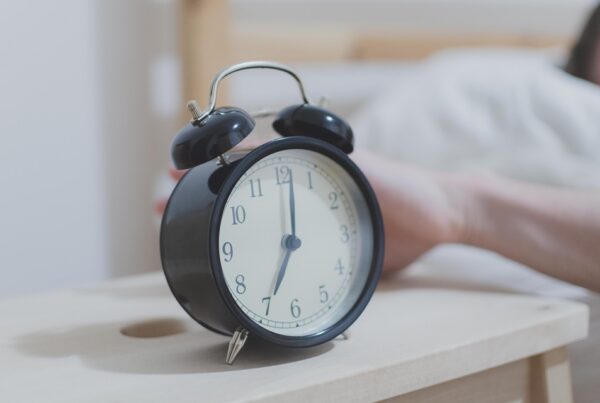
Alcohol can make you feel drowsy and fall asleep faster. However, research shows that this initial sedative effect comes at a cost.
According to a review published in the Handbook of Clinical Neurology, alcohol alters normal sleep architecture. While blood alcohol levels are high, it can increase slow wave sleep early in the night and suppress REM sleep. As the body metabolises alcohol, sleep becomes lighter and more fragmented, often leading to increased wakefulness in the second half of the night.
The same review explains that repeated alcohol use is associated with longer-term disruption to sleep regulation, including reduced slow-wave sleep and changes that can persist even during abstinence. Ongoing sleep disturbance is also recognised as a risk factor for developing alcohol dependence and for relapse in those in recovery.
Many people report that within a week of stopping drinking, they wake more refreshed, experience fewer night-time awakenings, and feel more alert during the day. Improved sleep quality can also support better concentration, emotional regulation and stress resilience.
A month without alcohol often reveals that sedation is not the same as restorative sleep.
Blood Pressure And Heart Health Begin to Stabilise
Alcohol has a direct impact on blood pressure. Having more than three drinks in one sitting can temporarily raise blood pressure, and repeated heavy drinking can lead to long-term hypertension.
The good news is that blood pressure responds quickly to change. The Mayo Clinic reports that people who cut back from heavy drinking can see meaningful drops in their blood pressure readings within weeks.
Alcohol also contributes to weight gain, which further increases blood pressure and cardiovascular risk.
Taking a break from alcohol can show how quickly the heart and blood vessels begin to stabilise when regular drinking stops.
Mood and Anxiety Can Become More Steady
Alcohol may take the edge off stress in the moment, but over time, it can worsen anxiety and depressive symptoms. It disrupts stress hormones and brain chemistry, which can leave people feeling more reactive, low or unsettled.
Health research shows that reducing or stopping alcohol is often linked with improved mood stability within weeks. Many people report fewer mood swings, less next-day anxiety and greater emotional clarity after taking a break.
Digestion, Skin and Daily Energy Improve
Alcohol irritates the gut and disrupts normal digestion, leading to bloating, heartburn and discomfort. These symptoms often begin to resolve within weeks of abstinence.
Dehydration and inflammation can also affect skin appearance. Reduced alcohol intake may improve hydration and skin clarity.
Many people report more consistent energy, fewer mid-afternoon crashes and improved productivity within weeks.
Sometimes the most noticeable benefits are the everyday ones.
Young Brains Are Still Developing
Alcohol begins affecting the brain within minutes of consumption. Younger people face higher risk of alcohol-related injury, and the developing brain is particularly vulnerable to impacts on memory, impulse control and emotional regulation.
Sleep is essential for learning and mental health, and disruption during adolescence is linked with greater vulnerability to mood disorders and substance dependence.
When adults model thoughtful, informed choices about alcohol, it can help reduce social pressure and shift expectations. A month without alcohol can influence more than one person’s wellbeing.
Awareness, Not Abstinence
Campaigns like Dry February are not necessarily about quitting forever. For many people, they are about stepping back and becoming more intentional.
The sober curious mindset is less about strict rules and more about asking honest questions. How often am I drinking? Why am I drinking in this moment? How does it actually make me feel the next day?
A short break creates space to notice patterns. It can highlight social habits, stress triggers, routines at the end of the day or the role alcohol plays in connection and celebration.
For some, that awareness confirms that moderation works. For others, it opens the door to more permanent change.
The lesson is not about perfection. It is about perspective.
A Pause Can Change A Pattern
At Sir David Martin Foundation, we understand that meaningful change does not always begin with crisis. Sometimes it begins with curiosity.
A month without alcohol can show how the body responds to rest, how the brain responds to better sleep, and how clarity can strengthen decision-making.
For some, that pause confirms moderation works. For others, it becomes the beginning of longer-term change. Either way, awareness is powerful.
You can explore trusted information and support services on the Sir David Martin Foundation resources page.