IMPACT

SPRING NEWSLETTER 2025

A message from the CEO

Karen Elliff

Welcome to this edition of Impact. We’re always looking for better ways to share the stories that matter most to you. That’s why you’ll notice some exciting changes to the Impact newsletter – a fresh design and new twice yearly publishing schedule that came directly from your suggestions, that saves costs and helps us invest even more in the young people we support.

We’ve been proudly supporting Mission Australia’s Triple Care Farm for 35 years, transforming thousands of lives. I’m pleased to share the story of one of those young people and his journey of recovery and success. Max’s story is particularly meaningful this September during Recovery Month – a time to celebrate the daily courage recovery requires and recognise that it’s a lifelong journey where every small step matters.

Our April visit to Triple Care Farm brought together supporters, young people, and dedicated staff for a truly inspiring day. Hearing young people courageously share their stories reminded us why this work matters so deeply.

We’ve recently completed a project in partnership with the Alcohol and Drug Foundation to map youth-specific services across Australia. This research helps inform our future direction while also contributing to broader sector collaboration and knowledge.

All the work you’ll read about in this edition exists because of supporters like you. Your belief in second chances, your investment in recovery, and your commitment to young people creates the foundation for transformation. Thank you for making hope a reality.
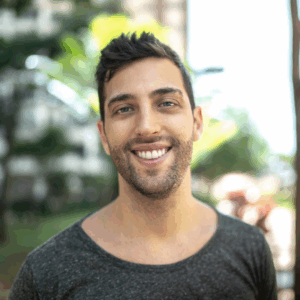
Max turned his fresh start into a new life

A young man smiles confidently. He is standing outside and wearing a plan grey t-shirt. The background is blurred.

Max’s first night at Triple Care Farm marked a significant milestone; it was his first night without substance use in a long time. He barely slept.

“My body was in shock from not having anything to send me to sleep,” he says.

Today, he looks back at that night as the beginning of a fresh start he desperately needed.

Max had started using drugs when he was 14, and by the time he was 18, his dependence on substances was out of control. He was in denial about the harmful effects of his drug use until he had a shocking wakeup call.

“I ended up crashing the car on a big weekend. I crashed into two cars and it wasn’t looking good,” he remembers. “I genuinely scared the living daylights out of myself, I thought I lost my leg in the car crash. It was eye opening.”

The consequences of the car crash led to him losing his job, his car, and his relationship breaking down. He knew he needed to make a serious change, and his substance use counsellor recommended Triple Care Farm.

After that first night at the Farm, Max knew he had made the right decision.

“I hadn’t experienced that long without depressants or stimulants. Before I went there, I would never wash my clothes and never cooked a meal. By the time I got out of there I could do all those things,” he says.

He particularly remembers how the staff members were good role models and gave him advice when he needed it. They helped to set Max up with a new job when he finished the program and supported him to move to Sydney, so he could have a fresh start after rehabilitation.

“I can’t fault anyone that works at Triple Care Farm. I really can’t,” he says. “It’s not just a rehab, it’s a life coaching place. It’s one of the best things you can do.”

Since leaving Triple Care Farm, Max has reconciled with his family. He has established a career as an elevator technician, even being nominated as apprentice of the year twice, and travelled the world with his partner. All of these achievements would have been out of reach had he not been supported to get well.

Max has a simple message for any young people weighing up whether residential rehabilitation is right for them.

“Do it as soon as you can. No point in waiting for your next slip up. You’ll find guidance and a lot of people aren’t lucky enough to have that guidance at home.”

And to the donors who made it possible for him to attend the program, he is deeply grateful: “Thank you is not enough,” he says. “You’re helping a lot of people, and the difference that it makes is massive.”

Young people say thank you at Triple Care Farm

A large room at Triple Care Farm full of people sitting in rows, watching a panel event at the front of the room. The audience's backs are to the camera.

Earlier this year, a group of Sir David Martin Foundation supporters visited Triple Care Farm in the Southern Highlands of NSW. They went to meet the young people currently in the program and witness first-hand the impact that this safe, supportive place has on young people in crisis.

The Foundation’s Chair, Will Martin, and CEO, Karen Elliff, addressed the group, discussing the impact our supporters have on this vital service. Will emphasised how the program helps young people to rebuild vital connections with family and society and expressed his hopes that more people would join our incredible community of Foundation supporters.

For supporters in attendance, speaking with the young people and staff at the Farm powerfully demonstrated how one person’s generosity can offer another the chance to heal. A group of young people who had previously been through the programs at the Farm also came to this special event and spoke to the group, sharing how it had transformed their lives.

One of the young people said Triple Care Farm gave her a safe place where people believed in her, something she had never experienced before. She shared, “Having the support around me of people who genuinely believed in me made all the difference, and for the first time I actually saw a light at the end of the tunnel.” She thanked the Foundation’s community of donors directly, saying, “You’re not just helping young people – you’re giving them hope and the chance to create a better future for themselves.”

There was also a panel discussion with staff from Triple Care Farm who highlighted the importance of giving young people somewhere they can be safe and anchored while they are healing. Clinical Lead, KT Harvey, spoke about the incredible change young people go through at the Farm. “People can manage trauma when they’ve got the support around them… that changes the way they process things and can change the trajectory of a life. It’s amazing.”

Reflecting on the day, supporters echoed Will’s sentiment that more people needed to hear about the work being done to enable young people to recover from addiction. “Such positivity, such hope and genuine caring at Triple Care Farm is a triumph,” one couple shared.

The day ended on a high, with both the young people and our supporters proud of the safe, healing space they have created together.

Every step towards hope

Young woman and older woman walk hand in hand outside

Honouring the recovery journey.

Recovery isn’t always linear, and it’s rarely loud. It happens in quiet moments – when a young person chooses to show up to counselling, finds the courage to apply for a job, or decides to stay present during a difficult conversation instead of numbing the pain.

Recovery is a lifelong process of learning, growth, and healing that evolves over time. This September, as we observe National Recovery Month, we’re reminded that these seemingly small acts of courage represent profound transformation.

Recovery Month is a time to celebrate the strength and determination of those in recovery, while advocating for the support systems that make lasting change possible. We recognise that the path to recovery is fluid and evolving. More people, especially young people, are discovering ways to live life with greater clarity, purpose and presence, making decisions that best serve their individual needs.

Recovery looks different for everyone. For the young people supported through the programs we fund, it often begins with safety and stability, followed by connection, hope and opportunity. Through care, trust and the right support, they learn to reclaim their lives from addiction.

This Recovery Month, we honour all forms of progress, whether it’s a first counselling session, a job interview, or choosing a night out without alcohol. Every step towards autonomy and freedom matters. Your support makes these moments of courage possible – and transforms them into lasting change.

A quiet legacy of hope

Mark, a man in a Navy uniform, stands at a podium and salutes.

Some encounters stay with us forever. Mark was a young navy cadet when he first met Sir David Martin, but that moment sparked a connection that has lasted nearly four decades. Now 58, Mark has made the compassionate decision to include Sir David Martin Foundation in his Will, ensuring his support continues helping young people for generations to come.

How did you first hear about Sir David Martin Foundation?

Sir David Martin was well known and beloved in the Navy. I met him when I was in the Navy Cadets in Grafton, which I joined in 1986. The Foundation was a cause we all knew about and supported. I still remember his final speech as Governor of NSW – there wasn’t a dry eye in the house.

What is it about the Foundation’s work that resonates with you?

It helps young people in need, without judgement. It’s not just about helping young people with addiction, but also providing them with the tools to manage everyday life and the challenges they face. When I read and hear their stories, I’m struck by how honest they are. You can tell the support they receive is real and lasting.

What impact do you hope your bequest will have on the Foundation and the young people it supports?

I know it will go to something worthwhile. Triple Care Farm and the Foundation’s other projects are doing incredible work helping young people. My bequest will help make a real difference, well into the future.

Why is it important to you to give young people who haven’t had a good start in life, a second chance?

It’s proper and it’s right. No one chooses their upbringing. We can’t control the environment and circumstances that we grow up in. If young people are disadvantaged from a young age, they aren’t afforded the opportunity for a good start in life. I believe if someone’s had a rough start, they deserve the chance to turn things around.

What do you say to those who might be thinking about leaving a gift to the Foundation in their Will?

We [Australians] aren’t always great at talking about our Wills. I was prompted to consider a bequest when talking to my lawyer several years ago. I would encourage others to consider a gift in their Will, be open to talking about it, and share their wishes with their family.

Include A Charity

This September, Sir David Martin Foundation joins the Include a Charity Week campaign, encouraging Australians to consider leaving a gift in their Will to causes they care about.

A gift in your Will is a powerful way to support young people in crisis and ensure vulnerable young Australians continue to get vital support.

Discover how your legacy can transform lives. Contact Ruth at r.markham@martinfoundation.org.au or call 02 9538 0910.

Education and employment: Breaking cycles

Two young people in navy jumpsuits lean over a desk and write on a plan with a pencil. The background shows a class made up of other young people wearing similar jumpsuits.

In 2023, two in every three young people who completed the Triple Care Farm residential withdrawal and rehabilitation programs re-engaged with education or employment within six months of leaving.

This remarkable achievement demonstrates how youth-specific alcohol and drug treatment programs can transform lives, helping vulnerable young Australians overcome addiction and mental health challenges to rebuild their futures with renewed purpose.

Young Australians facing addiction encounter significant barriers to stability, including mental health struggles, homelessness, societal stigma and limited access to specialised support services. These obstacles can derail educational and career aspirations without proper intervention.

These challenges can be addressed through a comprehensive recovery pathway that includes:

Withdrawal Program

David Martin Place offers youth-specific withdrawal support with around-the-clock medical care in a compassionate setting. This critical first step ensures young people can safely begin their recovery journey while preparing for further treatment.

Residential Rehabilitation

The 12-week Residential Rehabilitation program at Triple Care Farm provides participants with a safe environment to address addiction while developing crucial life skills. This holistic approach combines therapeutic treatment with vocational training, preparing young people for successful reintegration into education or employment.

Aftercare Support

Recovery continues beyond residential treatment through a six-month Aftercare program. Youth workers provide personalised care to support the young people in reintegrating into their communities, including practical assistance with education re-engagement and employment opportunities.

James* was just 20 years old when he came to Triple Care Farm after years of struggling with addiction and homelessness. Through the program’s vocational training component, James discovered his passion for carpentry. With ongoing support from his Aftercare Worker, he secured an apprenticeship within three months of completing treatment. Today, James is thriving in his new role and working towards a brighter future.

Reconnection with education or employment following rehabilitation is critical, not just for the young person themselves, but for the broader community:

  • Improved Wellbeing: Education and work provide structure and purpose, boosting self-esteem and mental health.
  • Economic Productivity: Empowering youth to contribute to society reduces long-term costs associated with unemployment or healthcare needs.
  • Stronger Communities: Breaking cycles of addiction leads to safer neighbourhoods and more cohesive communities.

The result: real lives transformed as young people overcome significant challenges to find their path forward with renewed hope and opportunity.

Mapping Australia's youth AOD services

A map of Australia with pins marking different places

The Alcohol and Drug Foundation, in partnership with Sir David Martin Foundation, has
completed a comprehensive mapping of youth alcohol and other drug (AOD) services across Australia. The findings reveal both encouraging progress and critical gaps that directly impact young people’s access to life-saving support.

While the mapping shows notable strengths, it also revealed key obstacles preventing young people from accessing the specialist support they need, pointing to urgent opportunities for system improvement:

  • Specialised Clinical Services: Only 31 programs offer youth-specific withdrawal and detox services, indicating an opportunity to expand specialised clinical support.
  • Family Engagement: While 99 programs include family support, expanding this proven approach could significantly improve treatment outcomes, particularly given the strong evidence for family involvement in youth recovery.
  • Cultural Responsiveness: With 97 programs offering culturally appropriate support for Aboriginal and Torres Strait Islander communities, there’s scope to better address the specific needs of First Nations young people and families.
  • Service Navigation: Inconsistent age definitions across programs (ranging from 0+ to specific brackets like 16-28 years, with 12-25 being most common) creates confusion for families seeking appropriate support. Standardising these definitions could improve access.
  • Service Visibility: The complexity of the service landscape means some programs offering multiple services may not appear in relevant searches, presenting an opportunity to improve how services are categorised and promoted.

Overall this project highlighted some key areas where gains can be made:

  • Understanding how young people and their families go about searching for information on youth AOD services
  • Creating improved user-friendly tools that help families and young people navigate the complex service landscape and enable them to connect with appropriate specialist support
  • Using this evidence base to inform our funding decisions, prioritising investment in proven youth-specialist programs and addressing critical service gaps aligned to our mission
  • Building stronger connections and collaborations within the sector by sharing insights from this mapping with service providers and peak bodies

Ultimately this important work can also support initiatives to influence national youth AOD policy, including increased funding of specialist programs and addressing the geographic inequities that leave some communities underserved.

Making data-driven change

This mapping project represents more than statistics – it’s about ensuring that when a young person or family reaches out for help, they can access appropriate, youth-focused support. Every data point represents a potential pathway to recovery, and this comprehensive evidence base positions the Foundation to achieve our strategic aspirations over the next five years.

Through your continued support, Sir David Martin Foundation is leveraging this evidence to become a shining light to provide youth AOD service intelligence, so that more young Australians can find and access the specialist support they need to build healthy, fulfilling lives.

This analysis is based on the comprehensive Youth AOD Services mapping project completed in partnership with the Alcohol and Drug Foundation in May 2025 utilising the Path2Help database.

Thank you to our partner:

Alcohol and Drug Foundation

Youth supporting youth

Four people standing outside and smiling. Behind them is a brick building, part of the PLC campus. On the right is Ellie, PLC student who led fundraising.

When young people come together to support their peers and amplify each other’s voices, the impact is powerful. The students of Pymble Ladies’ College in Sydney are committed to proving this.

The students have been fundraising for Sir David Martin Foundation to support young people facing addiction through life-saving treatment programs. Earlier this year, our Philanthropy Manager, Ruth Markham, visited the Pymble campus for an assembly to thank students for their outstanding fundraising efforts and to celebrate the beginning of a meaningful partnership with the school.

Ruth addressed the students, sharing stories of young people who’ve been helped by the programs we support, demonstrating the importance and impact of the Foundation’s work and thanking the Pymble community for standing alongside us.

At the heart of this connection is Ellie, a dedicated member of the Foundation’s Youth Advisory Group and a passionate advocate for youth mental health. Ellie has played a key role in sharing the Foundation’s mission and inspiring the students to get involved. During the assembly, she spoke from the heart about her belief in the programs the Foundation supports and the power of early intervention.

Ellie shares, “The Youth Advisory Group was created to ensure that youth voices are not just heard but actively shape the Foundation’s work supporting young people in crisis.”

With Ellie’s leadership, students have hosted a range of creative and heartfelt fundraising initiatives, from hot chocolate stalls and a trivia night to a walk around campus. Together, they’ve raised an incredible $3,150 for young people in crisis.

We’re so grateful to Ellie and the students and staff at Pymble Ladies’ College, especially Mrs Nikki Wyse and Mrs Patricia Gallardo, for their leadership, compassion and commitment.

Donate and help vulnerable young Australians break the cycle of addiction and find hope for the future.

Donate now